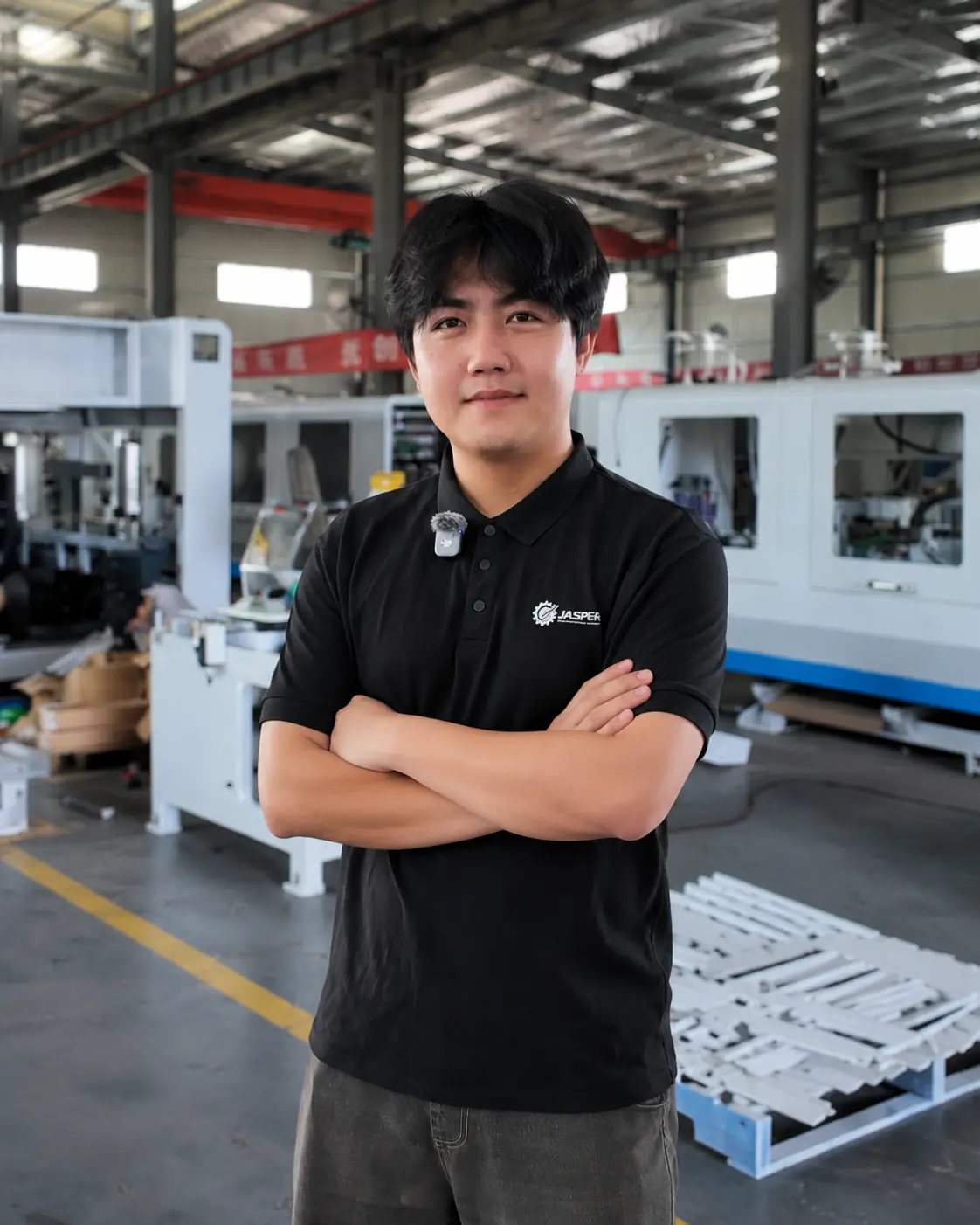
Built for Real Production.
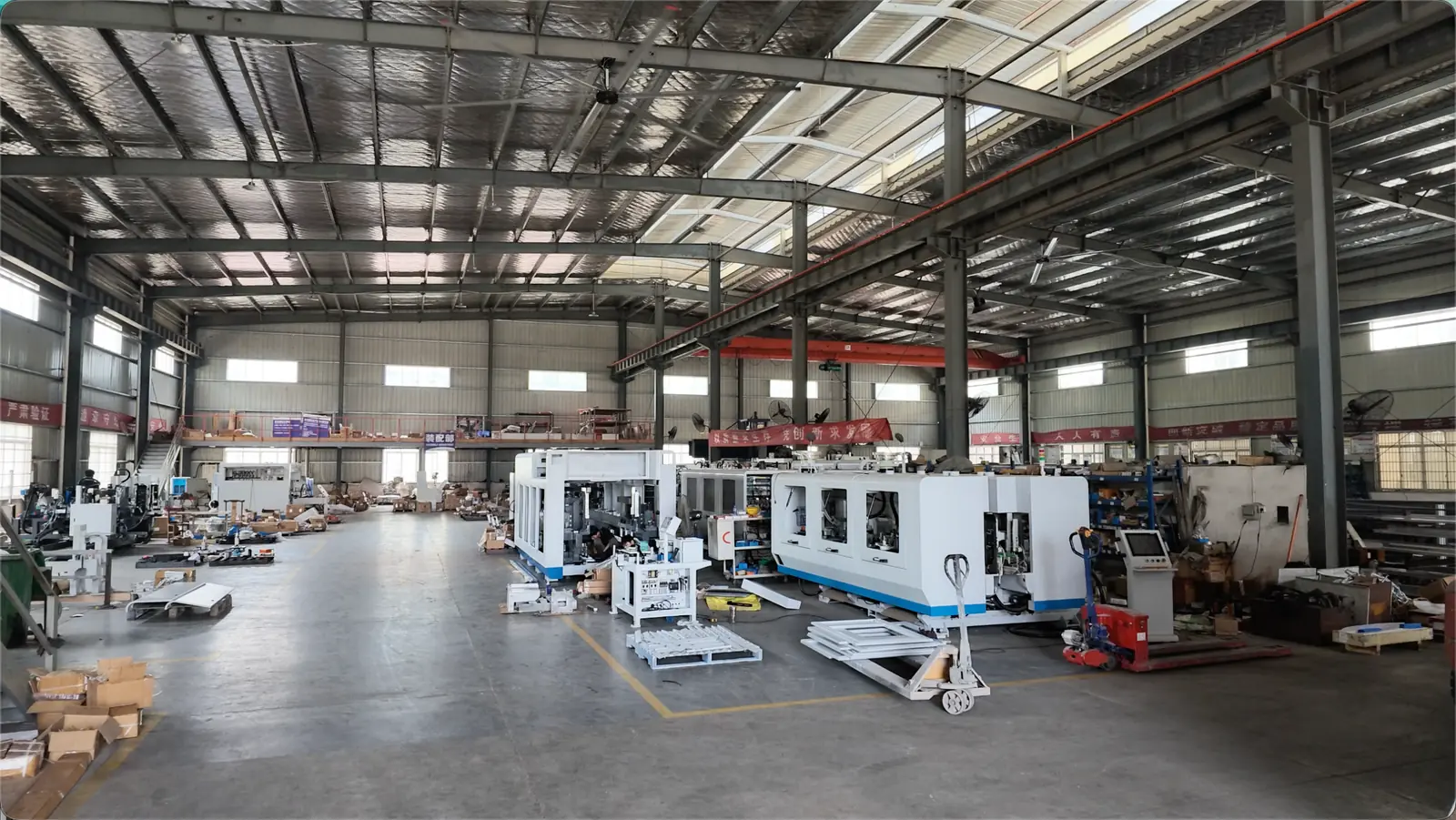
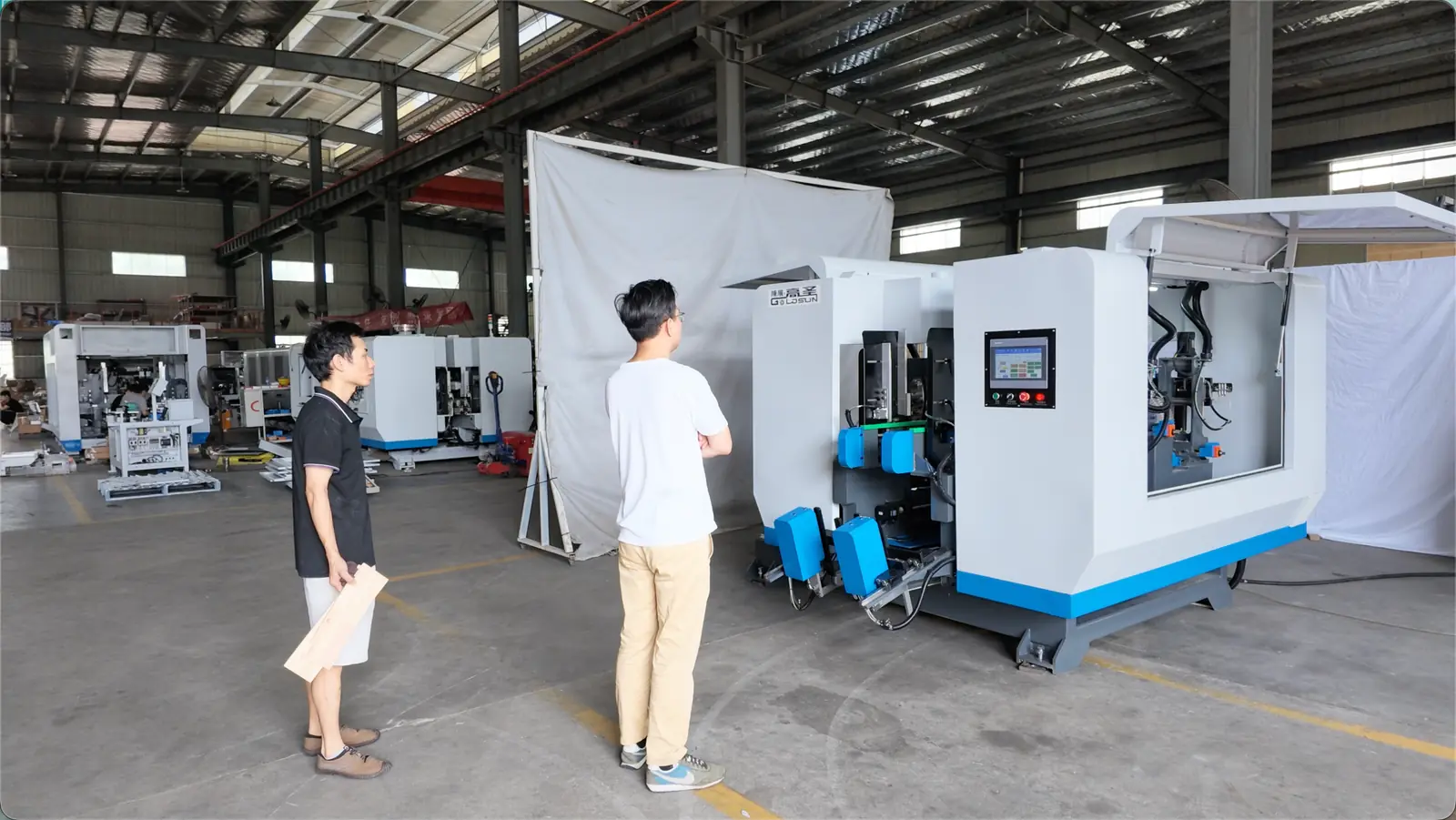
Founded in 2002 in Ganzhou, Jiangxi Province, Jasper CNC designs and manufactures woodworking machinery for furniture factories and solid wood component producers. Our 20,000 m² facility supports machine assembly, system integration, application testing and pre-delivery inspection.
Our product portfolio covers cutting and sawing, planing and moulding, milling and drilling, multi-head machining, five-axis CNC processing, sanding and connected production lines for chairs, tables, furniture legs, frames and irregular solid wood parts.
Each project begins with the workpiece. We review drawings or samples, wood species, machining processes, target output, factory layout and utility conditions before moving through solution design, test machining, inspection, delivery, installation and operator training.
| Production Requirement | How the Jasper Route Is Different |
|---|---|
| Multiple machining processes | Instead of separating every operation across independent machines and manual transfers, suitable profiling, drilling, grooving, cutting or tenon-mortise processes can be combined in one coordinated setup. |
| Multi-face or complex components | Instead of relying on repeated manual repositioning, the solution can use multi-head, multi-side or five-axis configurations with purpose-matched fixtures where the workpiece requires them. |
| Batch consistency | Instead of resetting manual references between parts, saved programs, controlled references and repeatable clamping support consistent machining positions across a production batch. |
| Factory-specific limitations | Instead of selecting a standard machine mainly by table size or price, configuration considers floor space, loading access, voltage, compressed air, dust extraction, output target and operator workflow. |
| Production expansion | Instead of adding unrelated equipment without a process plan, a project can begin with one suitable machine and develop toward connected cells or production lines as verified demand grows. |
From production requirement to a working machine
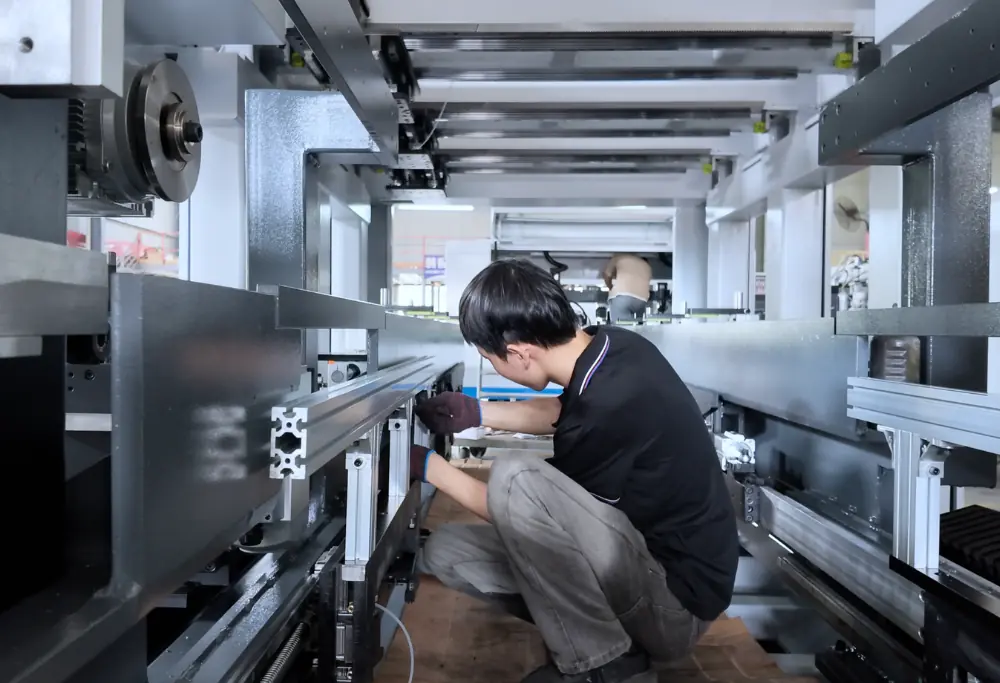
Every standard or customized project follows a practical engineering path. Technical decisions are checked against the customer’s workpiece and production conditions before the machine is released for delivery.
Inspection continues from assembly to final acceptance
Quality control is tied to the approved machine configuration and the intended workpiece. Final performance is verified through machine commissioning, functional checks and application testing rather than appearance inspection alone.
and a two-year machine warranty.
On-site installation normally takes about 2–3 days, depending on machine type, quantity, site conditions and test requirements. Remote diagnosis, software and program assistance, spare-parts coordination and technical support continue after handover and after the warranty period.